


February 9, 2025
“He heals the brokenhearted and binds up their wounds.” Psalm 147:3 (NIV)
“Gracious words are a honeycomb, sweet to the soul and healing to the bones Proverbs 16:24 (NIV)
“Above all else, guard your heart, for everything you do flows from it.” Proverbs 4:23 (NIV)

Early in my nursing career, before many of today’s medical advancements in equipment and medicine, I cared for some truly nasty wounds. There’s no delicate way to put it: some were infected with purulent drainage, giving off a foul odor – others were contaminated with debris, some bleeding profusely or struggling to heal. Yet, I also witnessed wounds that healed well, thanks to meticulous care and attention. One thing was clear: when wounds were left untreated, they became inflamed, painful, and, in the worst cases, life-threatening.
The same is true for emotional and spiritual wounds, particularly those inflicted by fellow Believers in Christ. Some of the deepest wounds don’t come from strangers but from those we trust—members of the body of Christ. A harsh word, betrayal, misunderstanding, or even intentional harm can cut deep into our souls, leaving us wounded and vulnerable.
Just as physical wounds require cleansing and care to heal properly, so do the wounds of the heart. When left unaddressed, emotional and spiritual wounds can fester, becoming infected with bitterness, resentment, and unforgiveness. However, God’s prescription for healing is clear. Through confession, forgiveness, and grace, we can experience true restoration and renewal. Let’s look at how we can apply God’s truth to heal our hearts from betrayal, conflict, and pain within and outside the body of Christ – allowing His love to cleanse, protect, and restore our hearts to wholeness.
What wounds are you carrying? There is Good News! God wants not only to heal you but to heal you in every area of your life: physically, emotionally, relationally, and spiritually. We are reminded of this in 1 Thessalonians 5:23-24: “Now may the God of peace make you holy in every way and may your whole spirit and soul and body be kept blameless until our Lord Jesus Christ comes again. God will make this happen, for He who calls you is faithful.” (NLT)
Until you heal from the emotional and spiritual wounds of your past, you’re going to bleed. You can try to bandage the bleeding with food, with alcohol, with drugs, or even work, but eventually it will all ooze through and the strain of your life. You must find the strength to open your wounds and allow the Holy Spirit to perform a debridement, removing the core of your pain that is holding you as a prisoner of your present and your past. God is just waiting to heal you and make you whole.
In studying and preparing for our next virtual event for “The Journey From Trauma to Triumph”, scheduled for Thursday, March 23, 2025, 6:30 – 8:30 pm, our focus will be on the process of healing – God’s Way! First, let’s identify some of the spiritual and emotional wounds that keep us from being a whole vessel that God wants to use in His kingdom and bring His name glory. Spiritual and emotional wounds often stem from the pain and trauma of our past experiences, relationships, or deep-seated beliefs that affect our well-being and how we relate to God, others, and ourselves. These wounds can be unseen but profoundly impact our spiritual growth, emotional health, and even physical well-being.
 Emotional Wounds: These wounds often result from trauma or negative life experiences that leave lasting pain. They are wounds of life experiences that leave lasting trauma and pain. They are wounds of:
Rejection – feeling abandoned, overlooked, or unloved by family, friends, or even a spouse. This can create insecurity and fear of not being enough.
Betrayal – experienced broken trust in relationships, whether through infidelity, dishonesty, or deception, which leads to difficulty in trusting others.
Abandonment – Experiencing physical or emotional abandonment ( a parent leaving, divorce, or neglect) resulting in fear of loneliness and attachment issues.
Unforgiveness and Resentment – Holding onto bitterness from past hurts, which weighs on the heart and prevents true emotional freedom.
Grief and Loss – The deep sorrow from losing a loved one, miscarriage, loss of a dream, or any significant life change that leaves a void.
Shame and Guilt – Feeling unworthy or stuck in past mistakes, often leading to self-condemnation rather than accepting God’s grace.
Verbal or Emotional Abuse – Words spoken in anger, criticism, or neglect that damage self-worth and identity.
Comparisonsitis and/or Low Self-Esteem – Feeling inadequate due to societal or personal expectations, leading to a constant need for approval.
Unmet Expectations – Disappointment from prayers not answered in the expected way or life not unfolding as planned and not understanding God’s sovereignty.
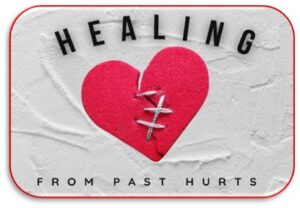
Spiritual Wounds: Spiritual wounds impact a person’s relationship with God and their faith, often stemming from negative experiences within the body of Christ, misinterpretations of God’s nature, or personal struggles and not applying God’s prescription for healing. They are wounds of:
Disillusionment with God – Feeling abandoned by God during a difficult season, leading to doubt, questioning His goodness, or struggling with unanswered prayers.
Spiritual Abuse – The misuse of authority in the church or by spiritual leaders, leading to manipulation, guilt, or control that distorts God’s true nature.
Church Hurt – Feeling judged, excluded, and wounded by fellow Believers, church leadership, leading to distrust or withdrawal from the faith community – taking their eyes of God and His will for their lives.
Legalism and Religious Bondage – Growing up under strict religious rules without understanding grace, resulting in a performance-based relationship with God.
Generational Wounds – Spiritual burdens passed down through families, such as patterns of addiction, fear, or broken relationships, affecting one’s spiritual journey.
Fear of Punishment – Believing that God is always angry or waiting to punish, rather than seeing Him as a loving Father.
Identity Crisis in Christ – Struggling to understand one’s worth and purpose in God, often due to past pain or distorted beliefs about His love.
Feeling Unforgivable – Believing that past sins are too great for God’s grace, leading to a lack of freedom and joy in faith.
What past wounds are you still waiting for God to heal? Are you trusting Him with the process, or are you trying to control it?
Healing is an important part of Christ’s Ministry. As Creator He understands every aspect of our lives. Jesus’s ministry was teaching, preaching, and healing. These were the three main aspects of his ministry. Teaching shows Jesus’ concern for understanding; preaching shows his concern for commitment; and healing shows his concern for wholeness. His miracles of healing authenticated his teaching and preaching, proving that he truly was from God.
 The Cleansing Process of Healing: Confession and Forgiveness: In wound care, cleansing is the first step to prevent infection. Spiritually, confession and forgiveness act as the antiseptic that cleanses the wound. When we hold onto grudges or refuse to address a conflict, we allow contamination- pride, anger, and pain to fester. 1 John 1:9 reminds us that “If we confess our sins, he is faithful and just and will forgive us our sins and purify us from all unrighteousness.”
♥ In Confession to God: We must first acknowledge our role in the conflict, whether by commission or omission. Even if we were the ones wronged, bringing our pain before God allows Him to cleanse our hearts.
♥ Forgiveness of Others: Forgiveness does not mean excusing the hurt but releasing it so it no longer poisons our spirit. Just as a wound cannot heal if foreign debris is trapped inside, our hearts cannot heal if bitterness remains.
♥ Apply the Healing Balm of Grace and Truth: A wound heals best when it is protected and treated with the right ointments. Spiritually, God’s grace and truth are the healing balm. Offer grace to others as Christ offers grace to you. This means choosing to respond in love, even when the other person does not.
Speak Truth: Speak truth with love, as noted in Ephesians 4:15. A healthy resolution means addressing the issue honestly, not avoiding it or pretending it didn’t happen.
Colossians 3:13 says, “Bear with each other and forgive one another if any of you has a grievance against someone. Forgive as the Lord forgave you.”
♥ Bandaging the Wound: Guarding the Heart: After cleansing and treating a wound, it must be protected to prevent reinjury. Guarding our hearts does not mean shutting people out, but rather, setting healthy boundaries to prevent repeated harm. Choose peace over retaliation. Learn to lean on the wisdom of God to handle any future conflicts with grace. Proverbs 4:23 reminds us, “Above all else, guard your heart, for everything you do flows from it.”
♥ Allowing Time for Healing and Trusting God: Healing takes time. Even when the steps of spiritual wound care are followed, scars may remain. But scars are reminders of where we have been, not of where we are bound to stay. True healing happens when we apply God’s prescription of confession, forgiveness, truth, grace, and patience, allowing Him to do the work that only He can do in our hearts. Psalm 147:3 reminds us, “He heals the brokenhearted and binds up their wounds.”
 HEART CHALLENGE: Can You Trust God for Your Healing? Healing takes time, but God is faithful. Begin your healing today! Take a step toward freedom, forgiveness, and wholeness. Whether your wounds are fresh or years old, Jesus is ready to bring healing.
♥ In medicine, debridement removes dead or infected tissue to allow new growth. Spiritually, we must remove the toxic emotions of bitterness, pride, and anger that inhibit our healing.
♥ Will You Allow Jesus to Perform Spiritual Debridement? Pray for God to remove bitterness, acknowledge where you feel resentment, and ask Him to help you let go.
♥ Stop Replaying the Offense: Constantly rethinking the hurt only deepens the wound.
♥ Avoid Gossiping About The Pain: Speaking negatively about your sister in Christ spreads the infection.
♥ Self-Reflection: Ask God to reveal any areas of pride, entitlement, or unresolved pain that might be blocking healing.
♥ Seeking Reconciliation: If possible, approach the person involved in the conflict with humility, seeking to restore peace rather than prove a point.
A HEALED HEART: If we allow God to cleanse our hearts, remove bitterness, and apply His grace, our wounds will not define us, our healing will. Through confession, forgiveness, and grace, we can experience true restoration and spiritual renewal. “Just as physical wounds require cleansing and care to heal properly, so do the wounds of the heart, especially when inflicted by those we love and trust!
 PRAYER: Father God, thank You for Your authoritative, inerrant, and inspired Word that reminds us that we can bring our wounds before You. Father, cleanse our hearts, remove any anger or bitterness, and help us to walk in Your forgiveness and peace. Teach us to extend grace and to guard our hearts with wisdom. Father God, we trust You, knowing that You are our Healer and Restorer. Lord, use our healing journey to encourage others and allow our testimonies to bring hope and restoration to those who are hurting, in the Precious, Powerful, and Preeminent name of Jesus Christ our Savior and Lord, Amen.
REFERENCES: Logos Bible Study and Life Application Series