


October 18, 2026
”But don’t just listen to God’s word. You must do what it says. Otherwise, you are only fooling yourselves. For if you listen to the word and don’t obey, it is like glancing at your face in a mirror. You see yourself, walk away, and forget what you look like. But if you look carefully into the perfect law that sets you free, and if you do what it says and don’t forget what you heard, then God will bless you for doing it.”
James 1:22-25 (NLT)

During my years as an emergency room nurse, I encountered patients who returned to the emergency department repeatedly, often experiencing the same symptoms or recurring health crises. They would arrive seeking relief from their immediate discomfort. After being assessed and treated, they often received medications, discharge instructions, and recommendations for follow-up care.
 Yet, sometimes, those same patients would return with the same complaints. Why?
In some situations, the underlying condition had not been adequately addressed. In others, patients had received instructions but had not followed through with the recommended changes or treatment plan. As a nurse, I understood the importance of relieving immediate discomfort. When someone is hurting, appropriate relief matters. But I also understood something else – Relieving the symptoms does not necessarily mean the underlying problem has been resolved.
A prescription may provide temporary relief, but if an underlying condition requires additional treatment, lifestyle changes, monitoring, or follow-up care, symptom relief alone may not be enough. And sometimes, even when patients understood what was recommended, making the necessary changes was difficult.
Change can be uncomfortable. It may require discipline, sacrifice, consistency, support, and a willingness to confront habits or circumstances that have become familiar. As I reflected on those experiences, I began thinking about how often we approach the emotional and spiritual wounds of our hearts in much the same way.
We want relief from the pain.
We want the uncomfortable feelings to disappear.
We want peace, joy, freedom, and restoration.
 But are we willing to examine what is happening within us and respond to what God reveals? Sometimes we seek temporary emotional relief while avoiding the deeper issues that need attention.
We may recognize our anger without examining what is contributing to it.
We may acknowledge resentment while continuing to justify it.
We may recognize patterns of fear, insecurity, or unhealthy responses without knowing how to change them. And sometimes, the issue is not unwillingness at all.
I believe some people want to change but do not know how. Others know what to do but are so overwhelmed by pain, fear, or circumstances that they struggle to take the next step. That is why healing requires more than simply identifying what hurts. It calls for honest examination, appropriate care, biblical truth, and a willingness to respond to what has been revealed.
This brings me to a question: When was the last time you looked in the mirror, not simply to examine your outward appearance, but to examine the condition of your heart?
We look into a physical mirror to see what needs attention. We notice what is out of place, what needs adjusting, and what we may have overlooked.
But what happens when we look into the mirror of God’s Word?
What happens when Scripture reveals something about our attitudes, motives, beliefs, behaviors, or responses that need attention?
Do we acknowledge what we see and respond?
Or do we walk away unchanged?
James 1:22 reminds us: “But be ye doers of the word, and not hearers only, deceiving your own selves.” (KJV) The mirror reveals what needs attention, but recognizing the problem is not the same as responding to it. And that is where our journey of Healing From Within continues.
Interestingly, this past week, while teaching our BC-1 Biblical Counseling class on Self-Confrontation, we examined the subjects of anger, resentment, and bitterness. As we explored these issues through the principles and precepts of God’s Word, I was reminded of something I had observed many times throughout my nursing career.
Recognizing the symptoms of a problem is not the same as identifying and addressing what is contributing to it.
Anger may be the emotion we recognize, but what is happening beneath the surface? Has an offense been left unresolved? Has resentment been nurtured? Has unforgiveness taken root? Or is the anger connected to fear, grief, disappointment, or a wound that has never received appropriate attention?
Anger itself is not always sinful, and not every experience of anger originates in unforgiveness. However, when anger is repeatedly rehearsed, justified, or allowed to develop into ongoing resentment and bitterness, it can begin to influence our attitudes, relationships, and responses.
Sometimes we become so accustomed to managing our reactions that we never stop to examine what is influencing them.
And this is where self-confrontation becomes essential. We may readily identify what someone else did to hurt us, but are we equally willing to examine what has developed within our own hearts as a result? That does not mean we are responsible for another person’s wrongdoing. It means we are responsible for how we respond to what God reveals about our own hearts.
We cannot always control what happens to us, but through God’s grace, we can learn to respond to what is happening within us. And that brings us to the mirror.
Not the mirror hanging on our bathroom wall, but the mirror of God’s Word.
When God’s Word reveals something about my heart, do I respond to what He shows me, or do I walk away from the mirror unchanged?
“Sometimes we spend more time explaining why we are wounded than examining what the wound may be producing within us.”And “don’t sin by letting anger control you.” Don’t let the sun go down while you are still angry, for anger gives a foothold to the devil.” Ephesians 4:26-27 (NLT)
HEART CHECK: Looking Beyond the Reflection
James 1:23- 24 reminds us that a person can look into a mirror, see their reflection, and walk away without responding to what was revealed. The question is not simply, What do I see? but What am I willing to do about what I see?
Take a moment to examine your heart before God.
- THE REFLECTION: Am I spending more time examining what others have done to me than examining how I am responding to what happened?
- THE REVELATION: Has God been revealing attitudes, behaviors, or patterns in my life, such as resentment, bitterness, fear, or unforgiveness, that I have been reluctant to address?
- THE RESPONSE: When God’s Word confronts something within my heart, do I respond in obedience, or do I justify, minimize, or ignore what He has revealed?
- THE BARRIER: Is there something keeping me from taking the next step toward healing: fear, pride, uncertainty, emotional exhaustion, or simply not knowing what to do?
- THE TRUTH: Am I willing to allow God’s Word to examine not only what has happened to me, but also what may be happening within me?
Remember: Self-confrontation is not self-condemnation. It is an invitation to examine our hearts in the light of God’s truth.
 HEART CHALLENGE: Don’t Just Look in the Mirror – Respond to What You See!
This week, I challenge you to spend intentional time before the Lord, asking Him to reveal anything within your heart that needs attention.
Begin with the prayer of David: “Search me, O God, and know my heart: try me, and know my thoughts: And see if there be any wicked way in me, and lead me in the way everlasting.” Psalm 139:23-24
Then ask yourself:
♥ What have I been repeatedly experiencing, excusing, or avoiding that God may be calling me to examine?
♥ Perhaps you have recognized anger but have not examined what is contributing to it.
♥ Perhaps you have acknowledged resentment but continue rehearsing the offense.
♥ Perhaps you have forgiven someone but are still carrying pain that needs attention.
♥ Or perhaps you genuinely desire change but do not know how to begin.
♥ Whatever God reveals, don’t stop at recognition.
♥ Identify one faithful, practical step you can take this week.
That step may involve repentance, changing a response, seeking wise counsel, asking for help, establishing healthy boundaries, or beginning the work of addressing an unresolved wound.
Remember, healing does not always happen in a single moment, and growth is not always a straight line. The challenge is not to become perfect overnight. The challenge is to stop walking away from the mirror without responding to what God has revealed.
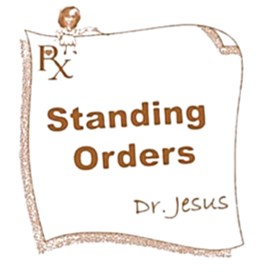 Standing Orders For The Heart: The Master Physician’s Prescription for Self-Confrontation
 ORDER #1: STOP EXAMINING EVERYONE ELSE WHILE IGNORING YOUR OWN HEART. Before focusing on another person’s faults, allow God to examine your attitudes, motives, and responses. Matthew 7:3–5.
ORDER #2: ASK GOD TO REVEAL WHAT YOU CANNOT SEE ON YOUR OWN. Not every issue of the heart is immediately obvious. Invite God to search your heart and expose what needs attention. Psalm 139:23-24
ORDER #3: DON’T ALLOW ANGER TO DEVELOP INTO RESENTMENT AND BITTERNESS. Anger isn’t always sinful, but unresolved anger can become destructive when we nurture it, rehearse it, or express it in sinful ways. Ephesians 4:26-27; Hebrews 12:15
ORDER #4: STOP SETTLING FOR TEMPORARY RELIEF WHEN DEEPER ATTENTION IS NEEDED. Avoid using temporary distractions or familiar patterns to escape issues that require honest examination and appropriate care. Ask God for wisdom to recognize what needs to be addressed. Proverbs 4:23.
ORDER #5: BECOME A DOER OF THE WORD, NOT JUST A HEARER. Knowing what God’s Word says is not the same as applying it. Respond to biblical truth through faith and obedience. Scripture: James 1:22-25.
ORDER #6: DON’T ALLOW SHAME OR FEAR TO KEEP YOU FROM SEEKING HELP. When you are struggling, reach out for wise, trustworthy support. Asking for help can be an important step toward healing. Galatians 6:2; Proverbs 11:14.
ORDER #7: TRUST GOD AS YOU TAKE THE NEXT STEP TOWARD CHANGE. Transformation is not accomplished through human determination alone. God works within His people as they respond to His truth. Philippians 2:13.
 Healing From Within: Where God’s Word Reveals, Renews, and Restores

There is something important we must understand about looking into the mirror of God’s Word. The purpose of the mirror is not merely to reveal what is wrong. It is to help us recognize what needs attention so that we can respond to God’s truth.
Sometimes we spend more time explaining why we are wounded than examining what the wound may be producing within us. We may have been genuinely hurt, mistreated, betrayed, or rejected. Those experiences matter, and acknowledging them is not wrong. However, while we cannot change what someone else has done, we can begin examining how those experiences may be influencing our thoughts, beliefs, attitudes, relationships, and responses.
We can be right about what happened to us and still need to examine what is happening within us. But we must also remember that not everyone who remains wounded is refusing to heal. Some people want to change but do not know how. Others know what to do but are so overwhelmed by pain, fear, or circumstances that they struggle to take the next step. And still others have become comfortable with temporary relief because confronting deeper issues seems too difficult.
This is why healing requires both truth and compassion.
God’s Word does not call us merely to recognize what needs changing. It teaches us how to live differently, and through the work of the Holy Spirit, God enables us to grow in obedience.
Biblical Transformation does not occur simply because we have acquired more information. It involves allowing the truth we have learned to confront what we believe, renew how we think, and direct how we live through the work of the Holy Spirit. Romans 12:2 reminds us that transformation involves the renewing of our minds. And Philippians 1:6 assures us that God continues His work in those who belong to Him. So, as you look into the mirror of God’s Word, don’t allow what you see to drive you into shame or hopelessness. Let it lead you toward honest examination, repentance where needed, renewed thinking, appropriate help, and faithful action.
The mirror may reveal what needs attention, but you do not have to remain where you are. Healing From Within is not simply about feeling better. It is about letting God’s truth reach the places within us that need His attention, so we can keep moving toward wholeness and the purpose He has for our lives.
Don’t just look in the mirror. Respond to what God reveals. Healing the Heart • Restoring Hope • Releasing Purpose
 LET’S PRAY: Father God, thank You for Your authoritative, inerrant, and inspired Word! Thank You for Your Word, which reveals truth and examines the deepest places of our hearts. Forgive us for times we have focused on others’ faults while overlooking what You are revealing within us. Lord, give us the courage to look honestly into the mirror of Your Word. Where there is sin, lead us to repentance. Where there is pain, bring comfort and healing. Where there is confusion, give us wisdom. And where we lack the strength or understanding to move forward, help us receive the guidance and support we need. Keep us from being hearers only. Help us become doers of Your Word, allowing Your truth to renew our minds and transform our lives. May we never become so comfortable with temporary relief that we neglect what needs deeper attention. Continue Your work within us as we grow toward wholeness and fulfill the assignments You have entrusted to us in the Precious, Powerful, and Preeminent Name of Jesus Christ, our Savior and Lord. Amen.
“The mirror of God’s Word is not designed to help me examine everybody else’s reflection. It is an invitation to allow God to examine mine.”

REFERENCES: Logos Bible Study, WORDsearch, Life Application Series, Various Commentaries, and Study Bibles.